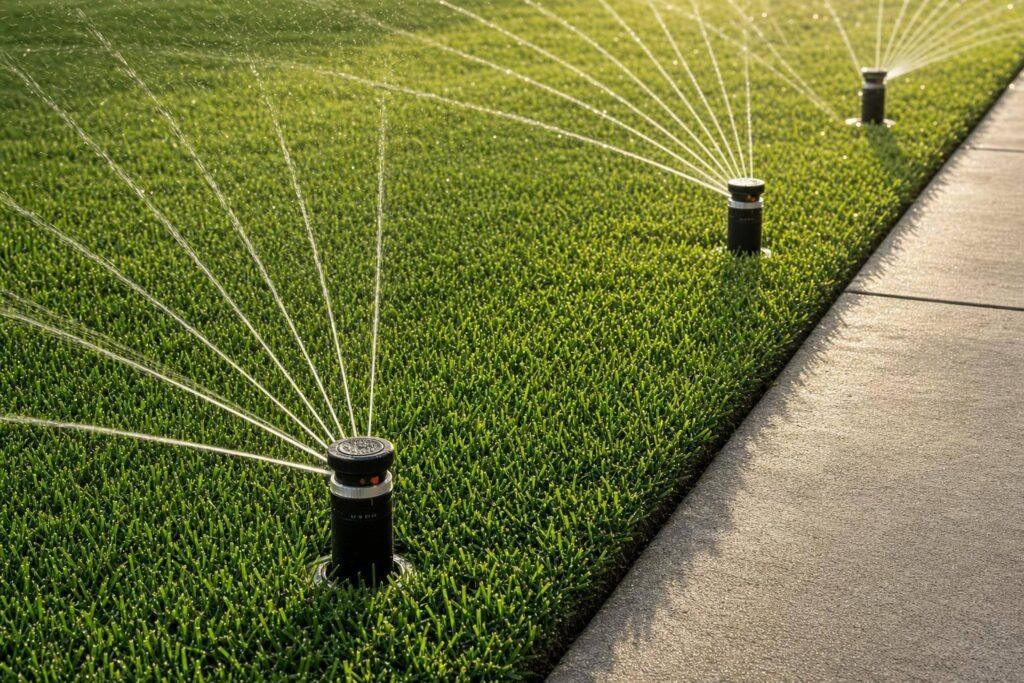
Bad sprinkler heads waste water fast. If you see dry grass, puddles, misting, or spray hitting the sidewalk, the fix is usually to match each zone to the right head, pressure, and nozzle.

Here’s the short version:

  • I upgrade sprinkler heads to improve coverage and cut runoff
  • I use fixed sprays for small turf areas
  • I use rotors for larger lawns
  • I switch to rotary nozzles when spray heads put down water too fast
  • I use bubblers for trees, shrubs, beds, bare spots, and new seed
  • I check pressure first, because high pressure can cause misting; many spray heads work best at about 30 PSI
  • I keep one head type per zone so water goes down at a similar rate
  • I inspect each zone before replacing parts, because leaks, bad valves, and layout problems can look like head failure
  • I fine-tune arc, radius, and run time after installation, then check the system each season

A few signs point to a head upgrade instead of a basic repair:

  • Dry spots often mean clogged nozzles or poor head-to-head coverage
  • Runoff on slopes often means the water is going down too fast
  • Misting often means pressure is too high
  • Overspray on driveways and sidewalks often means the nozzle pattern or throw is wrong
  • Soggy patches can point to valve or pipe problems, not just the head
Head type Best for Water application
Fixed spray Small turf zones Fast
Rotary nozzle Small to medium areas that need slower watering Slower
Gear-driven rotor Medium to large lawns Slow to medium
Impact head Large open spaces Varies
Bubbler / low-flow Trees, shrubs, beds, new seed Very slow

The main idea is simple: I get the best results when I inspect first, standardize each zone, and set run times to match the head type. That leads to fewer dry spots, less runoff, and better watering depth.

Sprinkler Head Types and When to Use Each

Sprinkler Head Types: Quick Comparison Guide

Sprinkler Head Types: Quick Comparison Guide

Once you’ve spotted dry areas, runoff, or puddling, the next step is simple: match each zone to the right sprinkler head with professional sprinkler system install and service. If the head doesn’t fit the space, water gets wasted fast. You can end up with dry patches, soggy spots, or watering that hits the soil faster than it can soak in.

The goal is to match the head type to the zone’s size, shape, and watering needs.

Fixed sprays, rotors, rotary nozzles, impact heads, and bubblers

Fixed spray heads pop up and spray water in a set arc. They’re a good fit for small turf areas that need short run times. The tradeoff is that they apply water fast, so if they run too long, puddling can show up in a hurry.

Gear-driven rotors turn slowly and apply water at a much lower rate. That slower pace gives the soil more time to absorb moisture. They’re a better match for larger lawns and usually need longer run times than spray heads.

Rotary nozzles water more slowly than fixed sprays. They’re a smart swap when a zone needs more controlled watering. If your current spray heads are putting down water too fast for the soil, this type can help calm things down.

Impact heads do a good job with debris and high pressure. They can work well in large, open areas. That said, they’re noisier and less precise than gear-driven rotors.

Bubblers and other low-flow options deliver water at a very low rate for trees, shrubs, bare spots, new seed, and planting beds. They make sense when you want targeted watering and need longer run times in beds, around trees, or near shrubs.

Pressure-regulated bodies and matched nozzles

If you’re seeing misting or uneven throw, don’t swap the whole head right away. First, check the pressure.

When pressure is too high, spray heads can mist instead of throwing a clean arc. Pressure-regulated bodies help by limiting pressure at the head itself, usually around 30 PSI for spray heads.

Nozzles matter too. Spray nozzles and rotary nozzles apply water at different rates, so the nozzle needs to match the zone. In the same zone, use matched nozzles so each head applies water at the same rate. If a zone has overspray, soggy areas, or dry spots, a nozzle adjustment or replacement may be all it takes to improve coverage.

Head type comparison: application rate, strengths, and limits

Head Type Radius / Throw Distance Precipitation Rate Best Use Area Main Strengths Common Limitations
Fixed Spray Short High Small turf areas Fast coverage Prone to runoff if run too long
Rotary Nozzle Short to medium Lower than fixed spray Zones that need slower watering Slower application Needs longer run times
Gear-Driven Rotor Medium to long Moderate to low Larger lawns Better absorption; uniform watering Not ideal for small areas
Impact Head Long Depends on nozzle and pressure Large, open areas Handles debris and high pressure Noisier; less precise
Bubbler / Low-Flow Very short Very low Trees, shrubs, bare spots, new seed, beds Targeted watering Long run times; not for turf

How to Check Your Current System Before Upgrading

Start with an inspection. If you skip that part, you might swap out sprinkler heads when the real issue is water pressure, a leaking valve, or bad zone layout. Good notes show you what to replace instead of just showing what stopped working.

Map zones, head locations, and landscape needs

Run one zone at a time, then walk the yard while that zone is on. Mark each sprinkler head on a simple sketch. Note whether the head is in turf or a planting bed.

As you go, mark:

  • Full-sun areas and heavy-shade areas
  • Slopes where water tends to run off
  • Spots where sidewalks or driveways sit close to the spray pattern

Those details make it much easier to pick the right nozzle or head type for each zone. A head near a slope, for example, may need a lower precipitation rate. A head next to concrete may need a short-radius nozzle or a strip nozzle.

Check flow, pressure, and visible performance problems

Run each zone again and watch closely. Look for heads that don’t pop up all the way, nozzles that mist instead of throwing a clean arc, and soggy spots or puddles that may point to overwatering, a leaking valve, or broken underground piping.

A pressure gauge connected to an outdoor hose bib can give you a pressure reading. Pair that reading with what you see in the yard. Misting, spray drift, or uneven coverage often points to pressure problems, clogs, or heads that are out of line. Each clue helps narrow the fix to the head, nozzle, or pressure setup.

After watering, check the grass for footprints. If footprints stay visible, that area likely isn’t getting enough water. Grass that looks blue-gray or has blades that curl or fold can also point to under-watering in that zone.

On the other hand, mushroom growth, yellow turf, or soggy ground can point to overwatering, poor drainage, or a valve that isn’t shutting off all the way. Once you know the cause, you can match the upgrade to the zone instead of guessing.

Symptom and fix table: common problems and the right upgrade

Use the symptoms below to narrow the fix.

Symptom Likely Cause Recommended Upgrade or Fix
Dry spots or brittle turf Clogged nozzles or poor head-to-head coverage Clean or replace nozzles; realign heads
Misting or fogging High water pressure at the head Pressure-regulated sprinkler bodies (PRS)
Water hitting sidewalks or driveways Incorrect nozzle radius or pattern Strip nozzles or short-radius nozzles
Runoff on slopes Precipitation rate too high for soil absorption Rotary nozzles (lower precipitation rate)
Soggy areas or puddling Leaking valves or broken underground piping Professional valve repair or pipe replacement
Uneven coverage in a zone with mixed head types Spray and rotor heads combined in one zone Standardize head types across the zone
Heads that do not pop up fully Broken head body or internal seal failure Replace with modern pop-up bodies

Use these findings to pick the right head, nozzle, or body in the next step.

How to Choose and Replace the Right Sprinkler Heads

Match the head to area size, shape, and water demand

Once you know which zones need work, pick a head that fits the space and the amount of water that area needs.

Start with zone size. Spray heads work best in small zones. Rotary heads fit medium to large turf areas because they put down water more slowly, which gives the soil more time to soak it in. Rotary heads also need longer run times than sprays for that same reason. In each zone, stick with one head type and one precipitation rate. That keeps watering more even and makes the zone easier to set.

Step-by-step replacement and adjustment

Use the problem you found – dry spots, runoff, misting, or overspray – to decide what to swap.

  • Shut off the controller and turn off the water supply to the zone you’re working on.
  • Dig a small hole around the head so you can reach the body and fitting.
  • Unscrew the old head and replace any damaged fittings or seals.
  • Flush the line before you install the new head.
  • Install the new head, then test the zone and adjust the arc and radius to fit the coverage area.
  • Walk the zone and keep adjusting until coverage is even, with no dry edges, overspray, or pooling.

When to call a professional sprinkler service

Some problems are bigger than a simple head swap. Call a professional if you have low pressure across multiple zones, runoff that keeps coming back, or signs of valve or pipe damage. Large properties with repeat runoff often need professional diagnostics.

After installation, the next step is to fine-tune coverage, pressure, and run time.

How to Maintain and Get the Most from Your Upgraded System

Once the new heads are in place, the job isn’t quite done. A little calibration, plus seasonal checkups, helps the upgrade keep doing what it’s supposed to do.

Adjust coverage, pressure, and run times

After installation, fine-tune each zone so water spreads evenly, without dry spots or overspray. Rotary nozzles usually need more run time than spray heads, so your controller should reflect that. Otherwise, one zone may get too little water while another gets too much.

Run each zone and watch where the water lands. If you see spray hitting driveways or sidewalks, adjust the arc and direction on those heads. Also keep an eye out for misting. That often points to pressure that’s too high and can mean you need pressure-regulating bodies.

Water early in the morning. It cuts down on evaporation and helps lower disease risk.

Routine maintenance and troubleshooting

Check the system each season to keep it working as intended. In spring, walk every zone and look for heads that have sunk below the surface. That can lead to puddling around the base and poor coverage, so bring those heads back up to grade level. If you notice dry patches or thin spray, clean or replace clogged nozzles.

Common Problem Symptom Fix
Clogged nozzle Dry patches, thin spray Remove, clean, or replace nozzle
Sunken head Puddling, weak coverage Raise head to grade

In fall, cut back run times as growth slows. Then blow out the lines before the first freeze.

These seasonal checks help protect the gains from the upgrade.

Conclusion: The upgrade decisions that matter most

The most important upgrade choices are matching head type to each zone, keeping precipitation rates consistent, and maintaining the system seasonally.

FAQs

How do I know if I need a head upgrade or just a repair?

Choose a repair when the issue is limited to one part of the system, like a broken head, a clogged nozzle, a leaking valve, or a damaged pipe. Problems like these often lead to uneven coverage, dry spots, or soggy patches in the yard.

An upgrade makes more sense if you want better water use, newer features, or more even coverage across your property. If the same problems keep coming back or your water bills stay high, upgrading may be the smarter move.

Can I mix spray heads and rotors in the same zone?

No. Spray heads and rotors put down water at different rates and in different patterns, so they should stay in separate zones.

That makes calibration easier, helps you get more even coverage, and gives your lawn the right amount of water without dry spots or overwatering.

How long should each sprinkler zone run after an upgrade?

There isn’t one set run time that works for every sprinkler zone after an upgrade. The right timing depends on your system type, the kind of sprinkler heads you have, and what your lawn actually needs.

A good starting point is to test how much water your system puts out, then adjust each zone so your lawn gets 1 to 2 inches of water per week.

If you deal with slopes or clay soil, the cycle and soak method can help. Instead of watering for one long stretch, you split the run time into shorter cycles with breaks in between. That gives the soil more time to absorb water and can cut down on runoff.

Related Blog Posts