

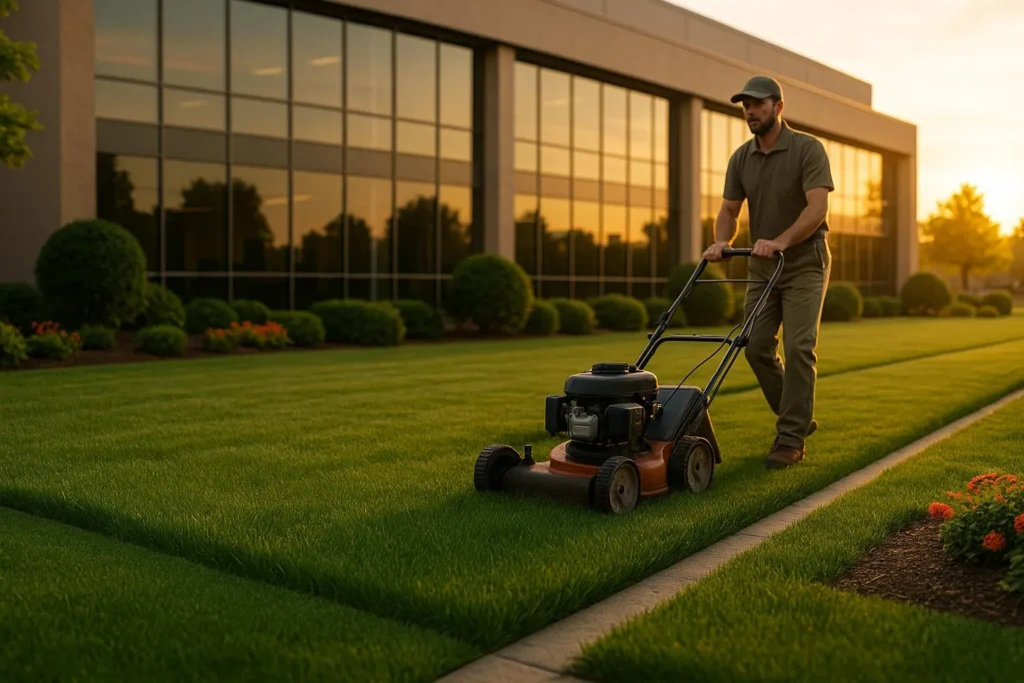
When emergencies strike your commercial lawn – whether it’s overgrown grass, storm debris, or irrigation failures – quick action is essential to avoid safety risks, fines, and costly repairs. Here’s a breakdown of seven key services businesses can rely on to address urgent landscaping needs:
- Emergency Lawn Mowing: Restores overgrown lawns to meet local regulations and improve safety and appearance.
- Weed Control: Removes harmful plants that damage landscapes and attract pests.
- Storm Cleanup: Clears debris, fixes damage, and ensures safety after severe weather.
- Tree Services: Safely removes or stabilizes hazardous trees to prevent property damage.
- Irrigation Repairs: Fixes broken systems to maintain lawn health and conserve water.
- Snow and Ice Removal: Keeps pathways and parking lots safe during winter storms.
- Seasonal Maintenance: Provides year-round support to prevent emergencies.
These services not only protect your property but also maintain its professional image and value. Acting fast is often the smartest way to save money and avoid larger problems down the line.
Emergency Lawn Mowing and Overgrowth Control
When your lawn gets out of hand, the problems go beyond just looking messy. Overgrown grass can hurt your property’s image, create safety risks, and even lead to fines. That’s where emergency mowing services come in – they tackle these urgent issues quickly and effectively.
There are several reasons lawns can spiral out of control. Heavy spring rains can cause grass to shoot up during peak growing seasons. Staffing shortages might disrupt regular maintenance schedules. And seasonal changes often surprise property managers when growth suddenly accelerates. These situations make immediate mowing essential to keep things under control.
Overgrown grass isn’t just unsightly – it can also get you into trouble with local laws. Many municipalities enforce strict height limits, typically between 6 and 12 inches, and fines for violations can climb as high as $1,000. These aren’t just guidelines; they’re enforceable rules. As Robert Kirchdorfer, Director of Galesburg’s Codes and Regulations Department, puts it:
“We’ll fine people to change behavior. That’s the first step. Hopefully they’ll go out and cut the grass and bring it into compliance.”
Beyond fines, overgrown lawns can hide hazards, block sight lines and security cameras, and attract pests. These issues not only create risks for employees and visitors but can also obscure signage and entrances, making navigation difficult. In some cases, overgrowth can even provide cover for unwanted activity. Quick mowing doesn’t just restore compliance – it also improves safety and security across your property.
Key Benefits of Emergency Mowing
Emergency mowing offers immediate improvements in several areas. A freshly cut lawn boosts your property’s curb appeal, signaling professionalism and attention to detail to anyone who visits. It also gets you back in line with local regulations, helping you avoid escalating fines and showing that you’re proactive about meeting community standards. Renault Arseneau, Dearborn’s Code Enforcement Manager, highlights the importance of a collaborative approach:
“Code enforcement initiatives were introduced more than 25 years ago. This year, with a revamped program and more involvement from our team, we intend to help residents with anything officers may notice before a citation occurs.”
Regular mowing also supports your lawn’s overall health. By keeping the grass at the right height, you encourage thicker, stronger turf that naturally crowds out weeds. Proper maintenance ensures your lawn gets enough sunlight while shading out weed seeds, making it harder for them to sprout.
Perhaps the most compelling reason for emergency mowing is cost prevention. It’s far cheaper than dealing with hefty fines, liability claims, or the expense of rehabilitating a neglected lawn. And by sticking to a regular maintenance schedule, you can protect your property’s value over time.
Professional emergency mowing services are equipped to handle even the most overgrown lawns. They act quickly, ensure compliance with local regulations, and restore your property’s polished, professional appearance in no time.
Emergency Weed Control and Removal of Invasive Species
Weeds can quickly take over a commercial property, draining essential resources and ruining the look of your landscape. When invasive species settle in, they spread fast, affecting not just the visual appeal but also the health of the area. The financial toll is staggering – studies estimate invasive weeds cause over $34 billion in agricultural damage annually across the United States. Beyond competing for resources, these plants often attract pests and diseases, which can harm carefully maintained lawns and gardens. Acting fast in these situations is just as important as it is with other emergencies, protecting both the appearance and value of your property.
Emergency weed control is especially critical when routine maintenance falls behind or when aggressive species emerge. Perennial weeds, in particular, are tough to tackle once their root systems are well-established, and delays can make removal even more expensive.
The key to effective weed control lies in proper identification and using the right methods. For small outbreaks, manual removal might be enough. However, larger infestations often require chemical treatments, including both pre-emergent and post-emergent herbicides. Pre-emergent options prevent weed seeds from sprouting, while post-emergent solutions target weeds that have already grown. Understanding the difference between annual weeds, which complete their life cycle in a single season, and perennial weeds, which come back year after year, is crucial to developing a solid plan.
| Weed Type | Common Examples | Best Control Method |
|---|---|---|
| Annual Grasses | Crabgrass, Annual Bluegrass | Pre-emergent herbicides in early spring |
| Perennial Grasses | Bermudagrass, Dallisgrass | Post-emergent spot treatment with root removal |
| Annual Broadleaves | Spurges, Common Knotweed | Post-emergent herbicides when young |
| Perennial Broadleaves | Dandelion, White Clover | Systemic herbicides targeting the roots |
This breakdown helps property managers make quick, informed decisions during emergencies.
Weed infestations often point to deeper turf management issues, such as poor watering practices, incorrect fertilization, improper mowing, or compacted soil. Tackling these problems, alongside removing the weeds, can prevent future outbreaks. For example, if compacted soil encourages knotweed, adding aeration to your maintenance plan can make a difference. Similarly, if clover thrives due to low nitrogen levels, adjusting the fertilization schedule can help restore balance.
Timing is everything. Removing weeds early – before they seed or develop deep roots – can stop them from spreading. A single dandelion, for instance, can produce up to 2,000 seeds, which highlights the importance of early action. Just like emergency mowing, quick weed control is a vital part of a comprehensive lawn care response.
Professional weed control services often combine manual techniques with chemical treatments. These experts have access to commercial-grade herbicides and specialized tools, and they’re well-versed in local rules about herbicide use.
Environmental Considerations
Effective weed control doesn’t have to compromise environmental responsibility. Today’s services increasingly use eco-friendly herbicides made from natural oils, soaps, and acids instead of harsh chemicals. Herbicide-free methods, like Foamstream, are also gaining popularity. Foamstream uses hot water and foam to manage weeds without chemicals. In fact, DB Premier Solutions praised Foamstream as a “gamechanger”, with owner Darren Baldwin centering his new business around the L12 machine.
Timing treatments properly can also reduce environmental impact. For instance, applying pre-emergent herbicides in early spring can stop weeds before they grow, cutting down on the need for multiple treatments later. Integrated pest management (IPM) strategies, which combine practices like cultural adjustments, biological controls, and targeted chemical use, ensure weed control is both effective and environmentally friendly.
Creating buffer zones around sensitive areas, like storm drains, ponds, or native plant habitats, is another way to protect these spaces while addressing weed problems. This approach minimizes the risk of herbicide drift and keeps the surrounding environment safer.
Storm and Wind Damage Cleanup
When storms strike, commercial properties often face immediate safety concerns and damage that can disrupt daily operations. Cleaning up after storm and wind damage requires quick action to eliminate hazards, remove debris, and restore the property’s professional appearance. Businesses are frequently left dealing with fallen trees, broken branches, damaged landscaping, and other debris that can create serious safety risks for employees, customers, and visitors.
The cleanup process starts with a thorough safety assessment as soon as the storm passes. This step identifies urgent dangers like downed power lines, unstable tree limbs, structural damage, and blocked emergency exits. Professional cleanup crews prioritize addressing these hazards before moving on to restoring the property’s appearance, ensuring it’s safe for business to resume.
Debris removal follows strict protocols to ensure proper disposal and compliance with regulations. For example, vegetative waste, such as tree limbs and branches, is often recycled into mulch or compost, while construction materials like roofing debris require specialized disposal methods. By sorting debris carefully, cleanup teams can handle each type appropriately and responsibly.
The extent of storm damage can vary widely depending on the severity of the weather. Vegetative debris might include scattered branches, leaves, and uprooted shrubs, while construction waste could involve damaged roofing, siding, or outdoor fixtures torn loose by strong winds.
“Commercial storm cleanup involves clearing debris, repairing damaged turf, and addressing drainage or erosion issues on business properties. Additionally, we even replace damaged plants and trees and replenish mulch when needed. This service ensures that your landscape is restored quickly and safely after severe weather, protecting your property from further damage.”
- The Grounds Guys
Acting quickly to remove storm debris is crucial. Delays can lead to further problems, like clogged drainage systems causing flooding, decomposing organic matter attracting pests, and safety hazards increasing liability risks. The longer debris sits, the harder it can be to remove as it settles into the landscape.
Professional cleanup services rely on specialized tools to efficiently handle debris. Heavy-duty trucks haul large amounts of material, chippers process branches, and crews use safety gear to work effectively and securely.
Documenting the cleanup process is also essential. Taking photos before, during, and after cleanup provides evidence for insurance claims and property management records. This organized approach not only helps businesses recover costs but also ensures a smooth path to restoring the property.
Debris Removal and Aesthetic Recovery
Once safety concerns are resolved, the focus shifts to restoring the property’s appearance. This phase is vital for resuming normal business operations and maintaining a professional image.
After removing major debris, crews work on repairing the landscape. This might include targeted turf restoration, such as reseeding or installing new sod, to fix areas damaged by heavy debris or erosion. Addressing these issues helps bring the property back to its original condition.
Drainage restoration is another key part of recovery. Storms often clog gutters and drains, disrupting natural water flow and increasing the risk of flooding. Clearing these systems and correcting grading issues ensures proper water management, preventing future problems.
Trees and shrubs also need careful attention. Broken branches may require professional pruning, and severely damaged trees might need removal and stump grinding. These steps preserve the health of the landscape while maintaining its design.
In many cases, mulch and soil need to be replenished. Heavy equipment and debris can compact soil and displace mulch, affecting plant health. Replacing these elements promotes healthy growth and keeps the property looking polished.
The timeline for recovery depends on the storm’s impact and the property’s size, but many businesses see noticeable improvements within 72 hours of professional cleanup. This quick turnaround minimizes downtime and helps maintain a professional image for clients and customers.
Preventive measures, such as addressing weak trees and improving drainage, can also be implemented during recovery to reduce the impact of future storms. Regular maintenance schedules play a key role in keeping commercial properties prepared for whatever nature throws their way.
Emergency Tree Services
Emergency tree services tackle situations where trees pose immediate risks – whether it’s the danger of injury, property damage, or blocked access. These services go beyond routine tree care, focusing on eliminating hazards quickly and efficiently.
Common emergencies include uprooted trees, cracked trunks, dangerously leaning trees, or compromised root systems. After severe storms, professionals often assess trees that may look stable but have hidden structural damage, making them prone to sudden collapse.
Quick action is critical in these scenarios. A leaning tree can fall without warning, potentially damaging buildings, vehicles, or injuring people. Cracks in the trunk signal serious structural issues, and exposed roots often mean the tree’s anchoring system is failing, leaving it unable to support its weight.
Emergency crews use specialized equipment like heavy-duty cranes, bucket trucks, and rigging systems to safely remove hazardous trees. The process involves cutting the tree into smaller sections and carefully lowering them with ropes and pulleys to avoid further damage to surrounding property.
Responding quickly not only prevents minor issues from escalating but also reduces liability risks. Emergency teams secure the area, document the damage for insurance purposes, and work with utility companies if power lines are affected.
In some cases, trees can be stabilized instead of removed. Techniques like cabling and bracing can support structurally weak trees, extending their lifespan and preserving the property’s landscaping. This is especially valuable for mature trees that enhance the property’s appearance and overall value, making stabilization a practical and cost-effective option.
Certified Arborist Expertise
Handling tree emergencies effectively requires the expertise of certified arborists. These professionals, accredited by the International Society of Arboriculture (ISA), are trained in tree biology, risk assessment, and safe removal techniques.
ISA certification ensures that arborists can accurately evaluate a tree’s condition, even when internal damage isn’t visible. They can identify issues like weakened wood fibers or compromised root systems that threaten the tree’s stability.
Certified arborists also navigate local regulations and permitting requirements, which is especially important for large or protected trees. Their knowledge ensures compliance with municipal rules, avoiding potential legal issues.
Safety is another key priority. Certified arborists use precise techniques to control how and where trees fall, protecting nearby structures, vehicles, and utilities during removal. This level of precision comes from years of training and hands-on experience.
When hiring emergency tree services, verify that the team includes certified arborists. Ask for their certification numbers and confirm them on the ISA website. A reliable service should provide a thorough risk assessment, a detailed removal plan, and handle any necessary permits. They should also ensure complete cleanup and debris removal.
Many certified arborists emphasize sustainable practices by recycling tree debris into mulch, firewood, or lumber, reducing waste sent to landfills and promoting environmentally friendly solutions.https://web.archive.org/web/20260201191807/https://app.seobotai.com/banner/inline/?id=sbb-itb-5aa6250
Irrigation System Repairs and Water Management
When irrigation systems fail, commercial landscapes can quickly suffer, especially during extreme heat. Malfunctioning sprinkler systems not only waste water but also lead to escalating repair costs, making immediate professional intervention essential.
Burst pipes are a common issue that requires urgent attention to avoid significant water loss.
Clogged sprinkler heads are another frequent problem. Dirt, debris, and mineral buildup can block water flow, causing uneven distribution. This often results in some areas being overly saturated while others are left completely dry, harming the landscape.
Controller malfunctions can throw off the entire watering schedule. Systems may either run non-stop – causing flooding and skyrocketing water bills – or fail to activate when water is most needed. These issues are often tied to power surges, programming errors, or worn-out components.
Low water pressure is a red flag for leaks, damaged pipes, or failing pumps. Without sufficient pressure, sprinkler heads can’t provide the coverage they’re designed for. Advanced monitoring systems can quickly identify these problems, allowing for timely repairs.
“Often, we see systems where repairs weren’t made with the original design specifications in mind… This leads to overspray onto hardscapes or dry patches where plants don’t get enough water, negatively impacting landscape health and curb appeal.”
– David Cerda, Irrigation Superintendent at Southern Botanical
Modern smart irrigation technology can play a crucial role in managing emergencies. Features like rain sensors prevent sprinklers from running during storms, while flow meters help detect unusual water usage, signaling potential leaks or malfunctions.
Water conservation becomes especially important during irrigation emergencies. According to the EPA, even a small leak – just the size of a dime – can waste about 6,300 gallons of water each month. That’s 35% more than the average household uses indoors.
“Any one problem with your irrigation system could actually be due to several different issues. It takes a trained professional to diagnose the exact problem and tackle the irrigation repair.”
– Michael Hatcher, Founder and Chairman of Michael Hatcher & Associates
Fast, professional irrigation repairs are essential for protecting your landscape and ensuring your property remains in top condition.
Preventing Lawn Damage Through Quick Repairs
A properly maintained irrigation system is key to avoiding further damage to your landscape. Acting quickly to fix issues like overwatering or under-watering can help prevent poor soil conditions, plant stress, and rapid lawn deterioration.
Regular system checks are invaluable for catching problems early. For instance, pooling water around sprinkler heads may indicate leaks or drainage issues, while an unusually high water bill could point to hidden leaks wasting thousands of gallons. Misaligned sprinkler heads can also lead to inefficient watering, leaving some areas parched and others overwatered.
“A well-maintained system is less likely to break during extreme heat… If a system isn’t providing head-to-head coverage – where one sprinkler’s reach overlaps with the next – you’ll see dry spots in the landscape. Our inspections help identify and fix these gaps before they become a problem.”
– David Cerda, Irrigation Superintendent at Southern Botanical
Preventive maintenance, such as monthly inspections by irrigation specialists, can identify potential issues before they escalate. These inspections typically include checking controller settings, clearing clogged sprinkler heads, adjusting spray patterns, and testing water pressure throughout the system.
Knowing how to shut off the system in an emergency is also critical. Ensuring that staff or building occupants are familiar with the location of the main irrigation shutoff valves can help limit water damage while waiting for professional repairs.
For commercial properties in need of immediate and reliable repairs, emergency irrigation services offer comprehensive solutions. Dependable Lawn Care specializes in expert sprinkler maintenance and repair, ensuring your system is back to optimal performance in no time.
Seasonal Emergency Services: Snow and Ice Removal
Winter weather can turn your property into a safety hazard overnight. When unexpected storms strike, emergency snow and ice removal services are crucial for keeping businesses operational and reducing the risk of accidents or liability claims.
These services rely on specialized tools and techniques to tackle winter’s challenges. Crews use plows to clear parking lots and driveways, shovels for walkways and loading docks, and apply de-icing treatments to prevent slippery surfaces. Excess snow is often hauled away to designated sites to maintain accessibility.
The cost of winter-related injuries is no small matter. Over a 17-year period, nearly 200,000 people in the U.S. required medical care due to snow-shoveling injuries[1]. For businesses, this highlights the risks of handling snow removal internally. Slips, trips, and falls are among the most common workplace accidents, making professional services a safer and smarter choice for commercial properties.
Emergency snow removal teams act quickly during sudden weather events, often working around the clock to stay ahead of worsening conditions. They continuously monitor forecasts and deploy equipment proactively to ensure safety. These teams also help businesses comply with local regulations. For instance, in Naperville, Illinois, property owners must clear snow and ice within 48 hours of a storm[2]. This kind of proactive management ensures properties remain safe and accessible.
Emergency services go beyond simply clearing snow. They focus on critical areas like handicap ramps and emergency exits to ensure accessibility for individuals with mobility challenges. They also maintain clear paths for emergency vehicles, which can be life-saving during medical emergencies or fires.
Planning ahead is key. Securing a snow removal contract before winter ensures prompt service when the season’s first snowfall arrives. Professional services also provide real-time updates during storms, documenting completed work. This transparency not only helps property managers maintain safe conditions but also serves as evidence of due diligence in case of liability concerns.
For businesses in need of reliable winter services, Dependable Lawn Care offers professional snow removal solutions to keep operations running smoothly and safely throughout the season.
Ensuring Safety for Staff and Visitors
The primary goal of emergency snow and ice removal is simple: prevent accidents that could result in serious injuries or costly lawsuits. Keeping pathways clear ensures that customers, employees, and delivery personnel can navigate the property safely, even during harsh winter conditions.
Professional teams prioritize high-traffic areas. Parking lots are cleared first to accommodate visitors arriving by car, followed by main walkways and building entrances. Emergency exits are also a top priority, as blocked exits not only violate fire codes but can create dangerous situations during evacuations.
Failing to address snow and ice properly can expose property owners to significant risks. These include slip-and-fall lawsuits, workers’ compensation claims, and fines for not complying with local snow clearance laws. Many professional snow removal companies carry comprehensive insurance, such as Commercial General Liability and Workers Compensation, which shifts much of the liability away from property owners.
Emergency response protocols are designed to activate as soon as weather conditions worsen. By monitoring weather systems, crews can deploy equipment early, preventing snow from accumulating and stopping ice from forming – both of which are more difficult and expensive to address later.
Keeping properties safe and accessible during winter doesn’t just reduce risks; it also helps maintain customer traffic and employee productivity. Regular updates during snow events keep property managers and occupants informed about cleared areas and any lingering hazards. Coordination with local emergency services ensures fire lanes remain open and access routes for ambulances and police vehicles stay clear, which can be critical in urgent situations.
Benefits of Professional Emergency Lawn Services
When a lawn emergency hits, trying to handle it yourself often falls short compared to the results professionals can deliver. Professional lawn care services bring a level of expertise that most business owners simply don’t have. According to a 2016 study by the National Association of Landscape Professionals, 32% of respondents didn’t know how often to water their lawn, and 31% were unsure how to grow and maintain a healthy one. This lack of knowledge can lead to costly mistakes, especially during emergencies.
Hiring professionals can save both time and money. While your staff might struggle with overgrown grass or damage from a storm, experts can quickly restore your property, avoiding expensive errors and eliminating the need to buy specialized equipment you’d rarely use. Their combination of skill and efficiency makes professional emergency services essential for keeping your business property in top shape.
Beyond quick fixes, professional services offer all-around care. Whether it’s dealing with hazardous trees or fixing broken sprinklers, they ensure every aspect of your property gets the attention it needs during a crisis.
Safety is another key advantage. Professional crews use OSHA-NIOSH-approved tools to monitor heat risks, which helps protect workers from heat-related injuries during demanding summer jobs.
Many modern lawn care companies also use technology to improve their services. With lawn care apps, they can provide real-time updates, reduce scheduling errors, and simplify billing. This tech-driven approach ensures faster response times and smoother communication during critical moments.
A well-maintained lawn does more than just look good – it can enhance your property’s value and improve your business’s overall image. As Trim Landscaping puts it:
“Commercial landscaping and lawn care provide a visually appealing space that can attract customers, boost property value, and contribute to the overall well-being of employees – all essential factors for a successful business.”
Comparing Services for Business Needs
Understanding these benefits alongside specific scenarios can help you choose the right service for your situation. Different emergencies require different solutions. For example, emergency mowing can quickly improve your property’s appearance, while weed control prevents further damage. Storm cleanup tackles immediate safety concerns, and tree services can stop additional property damage before it starts. When deciding, consider factors like response time, range of services, and overall costs to find the best fit for your business.
Dependable Lawn Care is a great example of a company that delivers on these promises. They provide tailored, prompt, and professional emergency services, ensuring your property gets the care it needs while maintaining high standards of service.
Conclusion
Emergency lawn services play a crucial role in safeguarding your business’s safety, reputation, and finances. When issues like uneven walkways or overgrown vegetation pose slip-and-fall risks, professional emergency services step in to minimize potential liabilities and keep your property safe for visitors.
Did you know that properties with well-maintained landscapes can experience value increases of 5–12%? Additionally, the return on investment for commercial landscaping maintenance typically falls between 5.5–12.7%. Beyond financial gains, a well-kept landscape can enhance employee productivity by as much as 16%. As one property manager aptly noted:
“Our landscaping is the first thing people notice. It’s not just maintenance – it’s marketing.”
– Property Manager
These benefits underscore the importance of timely emergency services as part of a broader maintenance strategy. By addressing urgent issues quickly, you not only protect your property’s immediate safety but also preserve its long-term value.
Selecting the right provider makes all the difference. Experienced professionals understand the unique needs of commercial properties and can tailor service plans to match your goals and budget. Whether it’s storm cleanup, irrigation repairs, or seasonal snow removal, they’ve got you covered.
For instance, Dependable Lawn Care offers tiered service plans – Bronze, Silver, and Gold – designed to meet a range of needs, from basic weekly upkeep to comprehensive year-round care.
FAQs
What are the risks of postponing emergency lawn care for a commercial property?
Neglecting emergency lawn care for a commercial property can quickly spiral into serious complications. For starters, overgrown grass and poorly maintained landscapes can turn into safety hazards. Think tripping risks or even damage to vital irrigation systems. These issues don’t just rack up repair bills – they can also disrupt the smooth flow of daily business operations.
On top of that, ignoring lawn problems can lead to permanent damage to your landscaping. This doesn’t just hurt the property’s appearance; it can also chip away at its curb appeal and overall value. Addressing emergency lawn care promptly keeps the property safe, visually appealing, and functional for employees, customers, and visitors, while also helping to avoid steeper costs and more complicated repairs down the line.
How can businesses prepare their irrigation systems to handle extreme weather and avoid emergencies?
To keep irrigation systems ready for extreme weather and reduce the risk of emergencies, businesses should consider using weather-based sensors and remote monitoring tools. These technologies can automatically adjust watering schedules based on changing conditions, saving both time and resources. Regular inspections also play a key role in spotting issues before they escalate.
Preventative measures are equally important. Steps like insulating pipes, adding freeze sensors, and shutting down systems during winter or during harsh storms can go a long way in protecting the system. These actions help prevent damage and keep the system running smoothly throughout the year.
What environmental factors should businesses consider when using chemical treatments for emergency weed control?
When applying chemical treatments for emergency weed control, it’s crucial to consider how these actions might affect the environment. Chemicals can seep into nearby water sources through runoff or leaching, which can harm aquatic life and disrupt ecosystems. Additionally, these substances may negatively impact soil health and damage beneficial microorganisms that play a key role in maintaining long-term lawn vitality.
To reduce these risks, treatments should always be applied with care and in line with safety recommendations. Opt for environmentally friendly options when possible or use spot treatments to limit the amount of chemicals applied. Taking these precautions not only helps protect the environment but also promotes a healthier, more resilient landscape for your business.
Related posts
Top 6 Benefits of Professional Lawn Maintenance
How to Choose the Right Sprinkler System for Your Lawn
