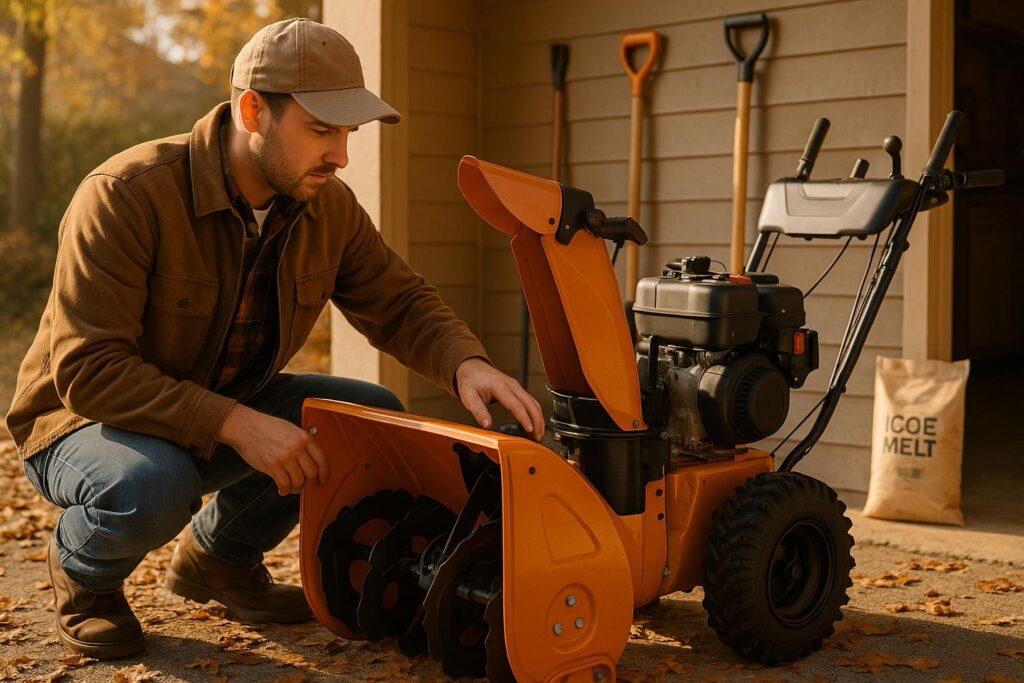
Winter can be harsh on snow removal equipment, leading to breakdowns and costly repairs if not properly maintained. Preparing your tools before the snow falls ensures they work efficiently, last longer, and reduce risks during the season. Key steps include:
- Pre-Season Maintenance: Inspect and service equipment like snow blowers, plows, and salt spreaders in mid-November. Change oil, replace worn parts, and test for smooth operation.
- Winter Upkeep: Clean equipment after every use to prevent salt damage, check fluid levels, and lubricate moving parts to avoid failures during heavy use.
- Post-Season Storage: Deep clean, replace damaged components, and store in a dry, secure space to prevent rust and wear.
For those who prefer not to handle maintenance, professional snow removal services offer reliable, hassle-free solutions with commercial-grade tools, reducing liability risks and saving time.
Proper preparation now means fewer headaches and safer, more efficient snow removal all winter long.
Pre-Season Equipment Inspection and Maintenance
Getting your snow removal equipment ready before winter hits ensures everything runs smoothly when the snow starts piling up. Ideally, start these inspections in mid-November. This gives you enough time to address any issues, order parts, or get professional help before the heavy snow arrives. A systematic approach now sets the stage for a trouble-free winter and makes ongoing maintenance much easier.
Snow Blower Inspection and Testing
Your snow blower needs to be in top shape to handle winter’s demands. Start by changing the oil. Drain the old oil completely and refill with fresh SAE 5W-30 oil, which handles cold temperatures better. Check your owner’s manual for the exact oil capacity to avoid overfilling.
Next, drain any leftover gasoline. Old gas can clog the carburetor and fuel lines, so refill with fresh gasoline and add a fuel stabilizer to keep everything running smoothly. While you’re at it, inspect the auger and drive belts for signs of wear like cracks or fraying. These parts work hard and can fail under heavy use, so replace them if needed.
Check that the auger and impeller spin freely without wobbling. Grinding or resistance could mean the bearings are worn and need attention. Also, take a look at the spark plug. If it shows corrosion or carbon buildup, replace it – spark plugs are inexpensive but critical for reliable starts in freezing weather.
Finally, test-start your snow blower. Let it run for about 10 minutes to check for smooth operation and proper throttle response. Listen for any unusual noises that might hint at internal problems.
Snow Plow Maintenance and Checks
Snow plows take a beating during winter, so a thorough check is essential. Start with the blade. Look for cracks, especially near the mounting points, as even small fractures can worsen under stress and cause blade failure. The cutting edge, which scrapes along the pavement, wears down over time. Replace it if it shows significant wear to keep plowing efficient and protect the main blade.
The hydraulic system is the backbone of your plow’s mobility. Check fluid levels and top off with the manufacturer-recommended hydraulic fluid. Inspect the cylinders, hoses, and fittings for leaks, as even minor ones can affect performance.
Lubricate all pivot points, lift cylinders, and angle mechanisms with cold-weather grease. Then, test the plow’s full range of motion – lifting, lowering, and angling. If movement feels sluggish, it could mean low fluid levels or worn seals that might need professional attention.
Salt Spreader and De-Icing Tool Preparation
Salt spreaders face their own set of challenges, particularly from corrosive materials. Start by inspecting the spinner mechanism for bent or damaged fins, which can cause uneven salt distribution. The auger, which feeds the salt, should turn freely without any binding or excessive play.
Clear out any blockages in the discharge chute and spinner housing. Salt residues can harden over time, disrupting material flow. A good cleaning with water and a wire brush usually does the trick.
Test the controller system to make sure all settings – from minimum to maximum spread rates – work as they should. Many spreaders allow you to adjust the spread pattern width, so double-check that these adjustments function properly. Run a test to confirm the spread rates are calibrated and consistent.
| Equipment Type | Critical Inspection Points | Key Maintenance Tasks |
|---|---|---|
| Snow Blower | Belts, auger, impeller, spark plug | Oil change, fuel replacement, test start |
| Snow Plow | Blade integrity, cutting edges, hydraulics | Fluid check, greasing, movement testing |
| Salt Spreader | Spinner, auger, controller | Blockage clearing, calibration testing |
Always prioritize safety. Disconnect the spark plug before performing any maintenance to prevent accidental starts. Wear safety glasses and gloves when working with fluids or near moving parts to avoid injuries.
Keep a maintenance log to track what you’ve inspected or replaced and when. This record is helpful for planning future maintenance and can also be useful for warranty claims. Taking the time for pre-season maintenance now reduces the risk of breakdowns later and ensures your equipment stays reliable throughout the winter.
Winter Equipment Maintenance
Once winter sets in, keeping your snow removal equipment in top shape is a must. Freezing temperatures, salt exposure, and heavy workloads can take a toll on your machinery. Regular maintenance throughout the season not only prevents costly breakdowns but also ensures your equipment is ready when you need it most. According to industry data, routine winter maintenance can extend the lifespan of equipment by 20–30% and cut emergency repair costs by as much as 50%. Let’s dive into the essential tasks that keep your equipment reliable through the winter months.
Regular Equipment Inspections
Pre-season checks are a great start, but ongoing inspections during the season are just as crucial. They help catch issues early, preventing minor problems from turning into major headaches. Make it a habit to inspect your equipment before each use and conduct a more detailed check weekly, especially during periods of heavy use.
Here’s what to focus on:
- Fasteners, belts, augers, and impellers: Check for wear, cracks, or fraying. Vibration can loosen fasteners, so ensure nuts and bolts are secure.
- Hydraulic systems: Even a small leak can worsen in freezing weather, affecting a plow’s ability to lift or angle. Address leaks immediately.
- Electrical connections: Winter moisture can corrode wiring or damage insulation. Inspect connections, apply dielectric grease to prevent moisture intrusion, and test lights and controls before heading out.
- Snow blower components: Pay attention to the starter cord and tire pressure. Cold weather can make cords brittle, and low tire pressure affects traction and handling. Inspect tire chains for broken or loose links to avoid equipment damage or safety risks.
Keeping a maintenance log is a smart move. Document inspection dates, any issues found, and repairs made. This record can help you identify patterns and plan for part replacements or warranty claims.
Equipment Cleaning After Each Use
Salt is a major enemy of metal parts, accelerating corrosion if not cleaned off promptly. After every use, wash your equipment with water and mild detergent to remove salt, snow, and debris. Focus on areas where salt tends to accumulate, such as:
- Around the auger housing on snow blowers.
- Under plow blades.
- Inside the discharge chute of salt spreaders.
After washing, thoroughly dry all surfaces to prevent rust. Once dry, apply a rust-preventive spray to exposed metal parts and re-lubricate any moving components that may have lost grease during cleaning.
Salt spreaders need extra care. Clean the spinner mechanism, auger, and discharge chute after each use. Salt residue can harden over time, blocking material flow or damaging moving parts. Store spreaders in a dry area and cover them when not in use to protect against moisture.
Fluid Level and Lubrication Monitoring
Proper fluid levels and lubrication are key to ensuring your equipment runs smoothly in harsh winter conditions.
- Engine Oil: Cold weather thickens oil, making it harder for engines to start and increasing wear. Check oil levels before each use and use SAE 5W-30 oil, which is better suited for winter temperatures.
- Hydraulic Fluid: Regularly monitor fluid levels in plows, especially during heavy use. Cold temperatures can cause levels to drop, and leaks become more noticeable under strain. Top off with the manufacturer-recommended hydraulic fluid and ensure it’s clean.
- Fuel: Use fresh gasoline with a stabilizer to prevent it from degrading, especially if your equipment sits idle for several days between snow events.
- Lubrication: Grease moving parts according to your equipment’s maintenance schedule. Cold weather can cause grease to thicken or wear off faster, so focus on areas like auger bearings, plow pivot points, and other moving components.
| Component | Check Frequency | Focus |
|---|---|---|
| Engine Oil | Before each use | Level and viscosity for cold weather |
| Hydraulic Fluid | Weekly | Level, leaks, and contamination |
| Moving Parts | After cleaning | Lubrication and free movement |
Post-Season Equipment Storage and Maintenance
As winter wraps up, your equipment has likely endured months of tough conditions. Giving it the care it needs now can save you money on repairs and ensure it’s in top shape for next season. A little time spent inspecting, cleaning, and storing your gear properly can go a long way in extending its lifespan.
Complete Equipment Inspection
Start with a detailed inspection to spot any damage or wear from the winter. Fixing these issues before storage prevents them from worsening over time.
Here’s what to pay close attention to:
- Moving parts and wear items: Inspect belts for cracks, fraying, or stretching. Check scraper bars and skid shoes, as they take a beating during the season and often need replacement.
- Fasteners and connections: Heavy use can loosen nuts, bolts, and screws, so tighten them as needed. Look for frayed cables or corroded electrical connections. Starter cords on snow blowers are especially prone to breaking in cold weather – replace them if they seem brittle.
- Engine components: For gas-powered equipment, remove the spark plug and check for corrosion or wear. A bad spark plug can lead to hard starts and poor performance, so replace it if necessary.
- Frame and housing: Look for cracks, dents, or rust spots. Salt exposure can be particularly harsh on metal surfaces. Note any issues for repairs or potential warranty claims.
- Hydraulic systems (for plows): Examine all lines and fittings for leaks. Even small leaks can escalate into major problems if left unaddressed.
Once your inspection is complete, move on to cleaning and repairs right away to prepare your equipment for storage.
Equipment Cleaning, Repair, and Storage
After identifying issues, it’s time to clean, repair, and store your equipment properly. Salt and debris left behind can cause serious corrosion, so thorough cleaning is essential.
- Deep cleaning: Focus on areas prone to salt buildup. For salt spreaders, this step is critical since hardened salt can block material flow and damage moving parts. After washing, dry all surfaces completely to prevent rust. Apply a rust-preventive spray to exposed metal for added protection.
- Fuel system maintenance: If you’re storing gas-powered equipment, either drain the fuel or fill the tank with fresh gas and a stabilizer. Run the engine briefly to circulate the stabilized fuel.
- Oil changes: Change the engine oil before storing your equipment. Old oil contains contaminants that can damage the engine during storage. Fresh oil will also make starting up next season easier.
- Replace worn components: Now’s the time to replace belts, augers, scraper bars, or spark plugs showing wear. Address cracks or damage to the frame or housing before they worsen.
- Lubrication: Apply grease to moving parts like auger bearings and plow pivot points. This step prevents rust and ensures smooth operation later.
Where and how you store your equipment is just as important as the maintenance itself:
- Storage location: Choose a dry, secure spot like a garage or shed. Avoid damp areas with poor ventilation. Elevate equipment off the ground using wooden pallets or blocks to keep it away from moisture.
- Covers: Use a breathable tarp or canvas cover to shield your equipment from dust while allowing air circulation. Avoid plastic covers, which trap moisture and encourage rust.
- Tires: Check and adjust tire pressure to the manufacturer’s specs. Properly inflated tires are less likely to develop flat spots during storage.
Finally, keep detailed records of your maintenance work. Note the date, parts replaced, repairs completed, and any issues for future attention. These records can be helpful for warranty claims or even when selling the equipment.
| Equipment Type | Key Storage Focus | Special Considerations |
|---|---|---|
| Snow Blowers | Fuel system, spark plug, auger | Drain fuel or use stabilizer; replace spark plug if corroded |
| Plows | Hydraulic system, blade | Check for leaks; lubricate pivot points; inspect mounting hardware |
| Salt Spreaders | Salt removal, spinner mechanism | Clean thoroughly; lubricate moving parts; store in a dry location |
Investing this effort now ensures your equipment will be ready to go when the snow starts falling again. Reliable performance and a longer lifespan are well worth it!
sbb-itb-5aa6250
Benefits of Professional Snow Removal Services
Once your snow removal equipment is in top shape, it’s worth considering the advantages of hiring professional services. These services not only save you time but also minimize liability risks and deliver reliable results with specialized, commercial-grade equipment.
Removing snow on your own can take anywhere from 2 to 4 hours per snowfall. For businesses, this delay can mean opening late or losing valuable productivity. Professional snow removal eliminates this hassle entirely, letting you focus on your regular activities without being disrupted by the weather. Plus, professionals are equipped to handle snow emergencies quickly, thanks to their state-of-the-art tools and experienced crews.
Winter weather poses serious safety risks. Each year, over 800,000 people are hospitalized due to falls on ice and snow, and businesses see a 25% spike in slip-related incidents during the season. In fact, a 2023 industry survey revealed that 70% of property managers hire professional snow removal services primarily to reduce liability. This added layer of protection goes hand-in-hand with the importance of keeping your equipment in excellent condition.
Professional crews bring more than just manpower – they use advanced equipment and proven techniques. From pre-treating surfaces to applying environmentally safe de-icers, they ensure effective and efficient snow removal. Many companies also provide 24/7 emergency services, which is a game-changer when unexpected snowstorms hit or your personal equipment fails. This around-the-clock availability ensures your property remains accessible at all times, even during overnight snowfalls.
While professional services typically cost $30–$100 per residential visit or $200–$600+ per month for commercial properties, they often save money in the long run. By preventing costly equipment damage, reducing liability risks, and avoiding productivity losses, the investment becomes worthwhile.
Dependable Lawn Care offers flexible packages tailored to different needs. Their Bronze, Silver, and Gold plans cater to both residential and commercial clients, varying in scope, frequency, and response times. For instance, commercial clients might need 24/7 service with guaranteed response times, while residential clients may prefer scheduled visits after heavy snowfalls.
"Keep your driveways, walkways, and sidewalks clear through every snowfall." – Dependable Lawn Care
Another key benefit of professional snow removal is compliance with local laws. Many municipalities have strict rules about clearing snow and ice within specific timeframes, with fines for violations. Professional services stay up-to-date on these regulations and maintain detailed records of their work, which can be crucial if legal or liability issues arise.
Additionally, professional snow removal companies typically carry comprehensive liability insurance. This coverage protects property owners from potential damages or accidents that may occur during snow removal. It often exceeds the coverage provided by standard homeowner’s or business insurance policies, offering extra peace of mind.
| Aspect | DIY | Pro Service |
|---|---|---|
| Time Investment | 2–4 hours per snowfall | Zero time required |
| Equipment Access | Consumer-grade tools | Commercial-grade equipment |
| Liability Risk | Full personal responsibility | Reduced risk, insured professionals |
| Availability | Limited to your schedule | 24/7 emergency response |
| Compliance | Must research and maintain | Automatic regulatory compliance |
The numbers don’t lie – more property owners are turning to professional services for their time-saving, safety, and cost benefits. When you weigh the costs against potential expenses like equipment repairs, medical bills, or even legal claims, the decision to go pro often makes perfect sense. With superior tools, reliable service, and reduced risks, professional snow removal offers a smart, hassle-free solution for keeping properties safe and accessible all winter long.
Conclusion: Stay Prepared for Winter
Taking care of your snow removal equipment is just as important as considering professional services to keep things running smoothly during winter.
Snow removal equipment maintenance can be broken down into three key stages: pre-season, winter, and post-season. Pre-season tasks include changing the oil, replacing spark plugs, using a fuel stabilizer, and checking belts and components for wear and tear. During winter, it’s crucial to clean your equipment after every use to prevent corrosive salt damage, monitor fluid levels, and keep everything properly lubricated. Finally, post-season storage involves steps like filling fuel tanks with stabilized fuel to prevent rust, completing an oil change, and storing equipment in a dry, safe spot.
Skipping these steps could lead to expensive breakdowns and safety risks. Equipment failures during heavy snowfalls not only pose hazards but can also result in costly emergency repairs when you need your tools the most.
For those who’d rather skip the hassle of maintaining their own equipment, Dependable Lawn Care offers a stress-free solution. Their Bronze, Silver, and Gold plans cater to both residential and commercial needs, ensuring driveways, sidewalks, and walkways stay clear after every snowfall. Choosing a professional service means you don’t have to worry about owning, maintaining, or storing equipment – and you’ll benefit from commercial-grade tools and experienced operators.
"Keep your driveways, walkways, and sidewalks clear through every snowfall." – Dependable Lawn Care
Whether you decide to handle maintenance yourself or rely on professionals, staying prepared ensures a safer and smoother winter season. A little effort or investment now can save you time, money, and stress when the snow starts falling.
FAQs
What maintenance should I do to get my snow removal equipment ready for winter?
Before winter hits, getting your snow removal equipment in top shape is essential. Here are some key maintenance steps to tackle before the snow starts piling up:
- Inspect and replace worn parts: Take a close look at belts, blades, and shear pins. If they show signs of wear, swap them out to avoid breakdowns mid-season.
- Change the oil and fuel: Use fresh oil and fuel to keep your equipment running smoothly, and don’t forget to add a fuel stabilizer to prevent gasoline problems in colder temperatures.
- Check tires and tracks: Make sure your tires are properly inflated and inspect tracks for any damage or signs of wear.
- Lubricate moving parts: Apply lubricant to all moving components to ward off rust and keep everything working smoothly.
- Test the equipment: Fire up your snow blower or plow to ensure it’s working as it should. If anything seems off, make adjustments now rather than later.
Taking the time to prep your equipment now not only helps it last longer but also ensures it’s ready to handle heavy snow when it comes. Need extra help? Dependable Lawn Care offers professional snow removal services to keep your property clear all winter.
What steps should I take to keep my snow blower running smoothly all winter?
To ensure your snow blower stays in top shape throughout the winter, a bit of routine maintenance goes a long way. Begin by checking the oil – replace it if necessary – and inspect the spark plug to make sure it’s in good condition. Always use fresh, stabilized fuel to avoid engine issues. Don’t forget to clean or replace the air filter if it’s dirty, and apply lubricant to moving parts to reduce wear and tear.
Before the snow piles up, fire up your machine to confirm it starts smoothly and runs as it should. When not in use, store your snow blower in a dry, covered spot to shield it from moisture and freezing temperatures. If maintenance feels overwhelming or you need expert advice, contacting a trusted service provider can help keep your equipment in great working order.
Why should I hire professional snow removal services instead of maintaining my own equipment?
Hiring professional snow removal services can make winter a lot easier. Instead of spending hours battling the snow with your own equipment, you save time and avoid the hassle of prepping, maintaining, and storing tools like snow blowers or plows – especially when the weather is at its worst.
Take Dependable Lawn Care, for example. Their team delivers reliable, efficient snow removal for homes and businesses alike. This means you can count on clear driveways and walkways without having to wrestle with heavy equipment or worry about sudden breakdowns.