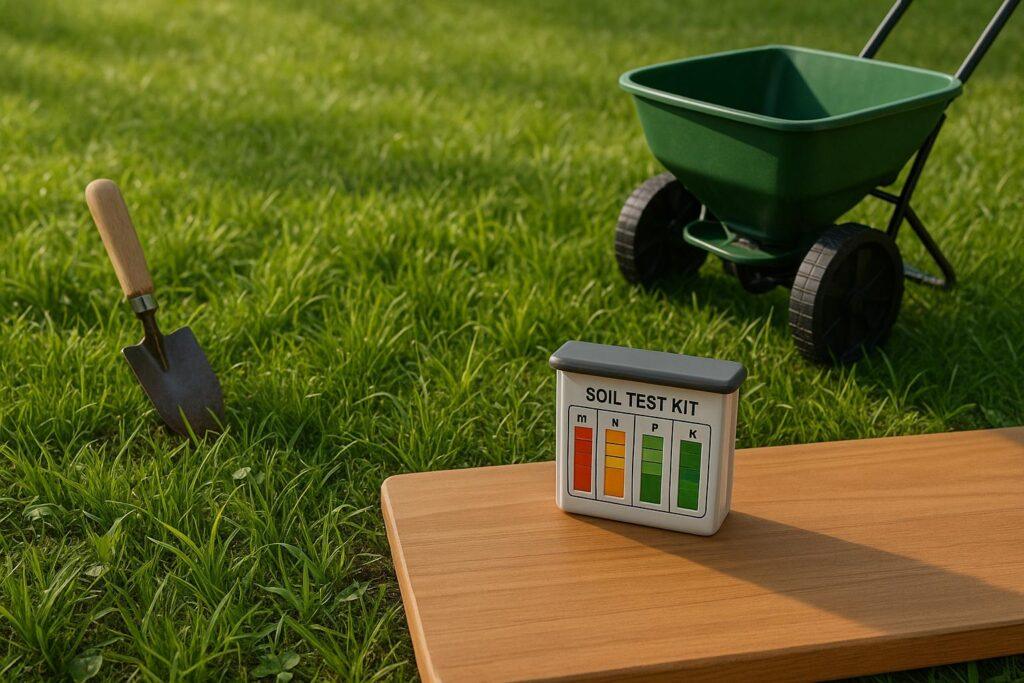
Maintaining a healthy lawn requires more than just applying a random fertilizer. Every lawn has unique needs based on factors like grass type, soil composition, and local climate. A one-size-fits-all approach often leads to over-fertilization, nutrient deficiencies, or wasted money. Here’s how to create a fertilization plan tailored to your lawn:
- Test Your Soil: Check pH levels and nutrient content. Most grasses thrive in soil with a pH of 6.0–7.0.
- Know Your Grass Type: Cool-season grasses (e.g., fescue, bluegrass) need fertilization in the fall, while warm-season grasses (e.g., Bermuda, Zoysia) benefit from spring and summer applications.
- Measure Your Lawn: Calculate the exact area to avoid overuse and ensure even coverage.
- Create a Schedule: Match fertilizer timing with your grass’s growth cycles. Use holidays as reminders (e.g., Memorial Day, Labor Day).
- Choose the Right Fertilizer: Decide between slow-release (long-lasting) or quick-release (fast results) options based on your needs.
- Apply Correctly: Use a spreader for even coverage, water properly, and avoid fertilizing before heavy rain to prevent runoff.
- Monitor and Adjust: Track your lawn’s health and test soil annually to refine your plan.
Taking these steps ensures efficient use of fertilizer, saves money, and promotes a lush, green lawn. For more precision or convenience, consider hiring lawn care professionals for a custom plan.
Assess Your Lawn and Soil Conditions
The first step in creating a healthy, vibrant lawn is understanding its specific needs. Your soil’s pH level and nutrient content play a big role in how effectively your grass absorbs fertilizer. By testing your soil, identifying your grass type, and measuring your lawn, you can create a fertilization plan tailored to your yard.
Test Your Soil
Soil testing is essential for determining pH levels and nutrient availability, which directly affect fertilizer performance. Most grasses thrive in slightly acidic to neutral soil, with a pH range of 6.0 to 7.0. If your soil is too acidic (below 6.0), nutrients like nitrogen and phosphorus are harder for grass to absorb. On the other hand, overly alkaline soil (above 7.5) can lock up micronutrients like iron, leaving your grass yellow even with regular fertilization.
For a quick check, pick up a basic pH test kit from a garden center or use a digital pH meter for more precision. For a deeper analysis, contact your local Cooperative Extension office. They often provide detailed soil testing services and recommendations tailored to your area.
A comprehensive soil test will reveal levels of primary nutrients – nitrogen (N), phosphorus (P), and potassium (K) – as well as secondary nutrients like calcium and magnesium, and micronutrients such as iron and zinc. This information helps you choose the right fertilizer mix instead of relying on generic options that might not meet your lawn’s specific needs.
Soil type also matters. Clay soil tends to retain nutrients longer but can compact easily, while sandy soil drains quickly and may require smaller, more frequent fertilizer applications. Knowing your soil type ensures you can adjust your care routine accordingly.
Identify Your Grass Type
Understanding whether your grass is a cool-season or warm-season variety helps you match its growth patterns with proper fertilization timing.
- Cool-season grasses (like Kentucky bluegrass, tall fescue, fine fescue, and perennial ryegrass) grow best in the cooler months of spring and fall. They often slow down or go dormant in the summer heat. Fertilizing in the fall is especially important, as it helps these grasses store energy for winter and promotes strong growth in early spring.
- Warm-season grasses (such as Bermuda, Zoysia, St. Augustine, and Centipede grass) thrive in summer when temperatures rise. These grasses typically go dormant during cooler months, so late spring to early summer is the best time to fertilize them during their active growing phase.
If you’re unsure about your grass type, take note of its blade shape and growth habit. Cool-season grasses often have wider blades and grow in clumps, while warm-season grasses tend to have narrower blades and spread via runners or stolons. For more guidance, consult a local nursery or your Cooperative Extension office.
Measure Your Lawn Size
Knowing the exact size of your lawn is key to applying the right amount of fertilizer. This prevents overuse, which can harm your lawn, and avoids wasting money on excess product.
Tools like Scotts’ My Lawn App, Lawn Chick’s calculator, or RealGreen’s Measurement Assistant make this process straightforward. These online tools use satellite imagery to help you outline your lawn’s area with just a few clicks. Simply enter your address, trace your lawn’s boundaries, and exclude non-lawn areas like your house, driveway, and garden beds. If your yard has multiple sections, such as a front yard, backyard, and side yards, measure them individually for more accurate results.
Prefer a hands-on approach? Sketch your lawn and divide it into simple geometric shapes, like rectangles or circles. Then, use basic formulas or online calculators to estimate the total area. This method ensures you apply the right amount of fertilizer to every part of your yard.
Create Your Fertilization Schedule
Once you’ve nailed down your grass type, soil conditions, and lawn size, it’s time to map out a fertilization calendar. This schedule should align with your grass’s natural growth cycles, ensuring your lawn gets the nutrients it needs at the right time. A thoughtful plan can help your grass thrive while making the most of your fertilizer.
Timing Applications for Different Grass Types
The timing of fertilizer applications depends on whether you’re working with cool-season or warm-season grasses.
- Cool-season grasses (like Kentucky bluegrass and tall fescue) thrive with a heavy feeding in early fall – think late August to mid-September – and a lighter application in late April or early May.
- Warm-season grasses (such as Bermuda and Zoysia) benefit from summer feedings. Start in late spring, once soil temperatures hit about 65°F, and stop about a month before the first frost.
To make things easier, you can use well-known holidays as reminders.
Use Holiday Markers to Stay on Track
Holidays can simplify your fertilization schedule, keeping applications spaced 8-10 weeks apart.
"To remember when to fertilize your lawn with Milorganite, we recommend using the ‘holiday schedule’ or applying every 8-10 weeks during the grass growing season." – Milorganite
- Cool-season grasses: Memorial Day, July 4th, Labor Day, and Thanksgiving.
- Warm-season grasses: Easter (once dormancy ends), Memorial Day, Labor Day, and early October.
Adapt to Local Climate and Frost Dates
Your local climate and frost dates are key to fine-tuning your schedule. For cool-season grasses, aim for the last fall application as late as possible before the first freeze. For warm-season grasses, stop fertilizing about a month before the average first frost.
In northern areas, where frost might hit in October, shifting the final application from Thanksgiving to early November can help your lawn store nutrients for winter and early spring growth. In milder regions, sticking with a Thanksgiving application may be just right.
Soil temperature also plays a role. Cool-season grasses typically wake up when soil temperatures reach 50-55°F, while warm-season grasses need about 65°F to get growing. Checking soil temperatures or consulting local extension services can help you pinpoint the right timing for your first application.
Lastly, take regional weather patterns into account. For example, areas with hot, dry summers might skip mid-summer fertilization for cool-season grasses, while regions with milder conditions can follow a full schedule. Nature can also provide clues – seasonal signs like forsythia blooming can serve as a helpful reminder to adjust your plan based on your lawn’s real-time needs.
Select the Right Fertilizer
Now that you’ve established a tailored schedule, the next step is choosing the right fertilizer to keep your lawn healthy and thriving. The fertilizer you pick should align with your lawn’s specific needs and work seamlessly with the schedule you’ve created.
Compare Slow-Release vs. Quick-Release Fertilizers
When selecting a fertilizer, consider whether you want immediate results or a longer-lasting feeding effect. Each type has its own strengths and is suited for different situations.
| Feature | Slow-Release | Quick-Release |
|---|---|---|
| Nutrient Release | Gradual over 6-12 weeks | Immediate, 2-4 weeks |
| Cost | Higher upfront ($25-40/bag) | Lower upfront ($15-25/bag) |
| Application Frequency | 2-3 times per season | 4-6 times per season |
| Burn Risk | Minimal | Higher if over-applied |
| Weather Dependency | Less affected by rain | Can wash away easily |
| Best For | Consistent feeding, busy homeowners | Quick green-up, problem areas |
Slow-release fertilizers gradually feed your lawn over several weeks, providing steady nutrients without overwhelming the grass. They’re especially useful in hot weather since they reduce the risk of burning. These fertilizers rely on coatings or chemical bonds to control nutrient release, ensuring your lawn avoids the stress of feast-or-famine cycles.
Quick-release fertilizers, on the other hand, are ideal for fast results. If you’re dealing with yellow patches or prepping for a special event, they can green up your lawn in just a few days. However, they require more frequent applications and need to be applied carefully to prevent damage.
Follow Manufacturer Guidelines
Always stick to the application rates recommended by the manufacturer. Overusing fertilizer can harm your lawn, pollute groundwater, and waste money. On the flip side, applying too little can leave your grass vulnerable to weeds and diseases.
Fertilizer labels include the N-P-K ratio, which indicates the percentages of nitrogen, phosphorus, and potassium. For instance, a 20-10-10 fertilizer contains 20% nitrogen, 10% phosphorus, and 10% potassium. Most fertilizers suggest applying 2 to 4 pounds per 1,000 square feet, but this can vary depending on the product.
Pay attention to the spreader settings chart on the bag. These charts are specifically designed for different spreader brands and account for factors like particle size and density. For example, a Scotts broadcast spreader might need setting 3 for one product but setting 5 for another.
To ensure accuracy, test your spreader by covering a 1,000-square-foot area. If you use more fertilizer than recommended – say 4 pounds instead of the suggested 3 – adjust the setting for your next application.
Once you’ve nailed the application rate, consider using specialty fertilizers for any specific soil deficiencies.
Use Specialty Fertilizers When Needed
Soil test results can reveal nutrient deficiencies that standard fertilizers may not address. In such cases, specialty fertilizers come into play and can target specific issues effectively.
- Iron supplements are great for lawns in alkaline soils or for grass showing signs of chlorosis (yellowing leaves with green veins). Liquid iron offers fast results, while granular iron provides longer-lasting effects. Apply these separately from regular fertilizers to prevent nutrient conflicts.
- Potassium boosters are essential in late fall for cool-season grasses. Potassium strengthens grass cell walls and enhances cold resistance. Look for high-potassium formulas like 0-0-60 for fall use.
- Starter fertilizers are designed for new grass seed or sod, with higher phosphorus levels to encourage root growth. These typically have a 20-25-5 ratio and should only be used during grass establishment since mature lawns rarely need extra phosphorus.
- Organic options such as compost-based fertilizers improve soil health over time while releasing nutrients slowly. Though they may cost more upfront, they enhance soil structure and reduce nutrient runoff. Products like Milorganite feed your lawn steadily for 8-10 weeks and won’t burn grass, even in hot weather.
sbb-itb-5aa6250
Apply Fertilizer Correctly
Getting fertilizer application right can make the difference between a lush, green lawn and one that struggles or even suffers damage. How you apply, time, and water your fertilizer plays a big role in helping your grass absorb nutrients effectively while also protecting the environment.
Set Up and Use a Spreader
Using a spreader ensures your fertilizer is distributed evenly, avoiding the streaky or patchy results that often come from spreading by hand. Broadcast spreaders are ideal for larger lawns over 5,000 square feet, while drop spreaders offer more precision for smaller spaces or areas near flower beds and walkways.
Before you start, calibrate your spreader according to the manufacturer’s instructions. Most fertilizer bags provide specific settings for popular brands like Scotts, Earthway, and Agri-Fab spreaders. Always fill your spreader on a hard surface to prevent spills on the grass, and make sure the spreader gate is closed before filling to avoid accidental dumping. Any fertilizer that lands on pavement should be swept up immediately to prevent it from washing into storm drains.
When applying, walk at a steady pace of about 3 mph to ensure even coverage. Moving too quickly can leave gaps, while going too slowly may result in over-fertilization. If you’re using a broadcast spreader, overlap your passes by about 3 feet to avoid missed spots or over-application.
For the best results, apply fertilizer in a crisscross pattern. Start with one pass going north to south, then make a second pass going east to west. This technique ensures even coverage and minimizes the risk of uneven striping, especially with quick-release fertilizers that can show results within days.
Water Before and After Application
Timing your watering is just as important as timing your application. The soil should be slightly moist but not overly wet before you fertilize. If your lawn is extremely dry, consider lightly watering it 12-24 hours ahead of time. This helps the fertilizer granules stick to the grass blades instead of bouncing off onto hard surfaces.
After applying the fertilizer, wait about 24 hours before watering to allow it to settle into the soil. Then, water with about 0.25 inches to dissolve the granules without causing runoff. Avoid heavy watering immediately after fertilizing, as more than 0.5 inches of water can wash nutrients away before they’re absorbed. Use a rain gauge or even a tuna can to measure how much water your sprinkler system delivers – most systems provide about 1 inch per hour, so 15 minutes of watering is typically enough.
The best time to water is early in the morning, between 6:00 AM and 10:00 AM. This allows the grass blades to dry before evening, reducing the risk of common lawn problems and giving nutrients time to soak into the soil during the day, when grass is actively growing.
Prevent Fertilizer Runoff
Protecting nearby waterways starts with thoughtful application and timing. Never fertilize before heavy rain – if more than 0.5 inches of rain is expected within 24 hours, delay your application. Heavy rain can wash away up to 40% of the nutrients, sending them into storm drains, streams, and lakes, where they can contribute to algae blooms and harm water quality.
Create a 10-foot buffer zone around water features, storm drains, and paved areas. When working near sidewalks or driveways, opt for a drop spreader instead of a broadcast spreader to maintain precise control over where the fertilizer lands.
Be diligent about cleaning up any fertilizer that lands on hard surfaces. Even small amounts on driveways or sidewalks can wash into storm systems with the next rainfall. Keep a push broom nearby and make cleanup part of your routine.
If your lawn has steep slopes (over a 15% grade), take extra care. Apply fertilizer when the soil is only slightly moist, and avoid fertilizing these areas if rain is expected within 48 hours. Granular slow-release fertilizers tend to work better on slopes than liquid versions, as they’re less likely to wash away before being absorbed.
Windy days can also interfere with proper application. Avoid fertilizing when winds exceed 10 mph, as gusts can blow fertilizer onto driveways, neighboring yards, or sensitive plants. Early mornings are usually calmer, making them an ideal time for fertilizing and watering. These careful application methods align perfectly with the tailored fertilization plan you’ve developed.
Monitor and Adjust Your Plan
No fertilization plan is set in stone. Weather changes, seasonal stress, and shifting soil conditions can all impact your lawn’s health, making it crucial to keep an eye on things and tweak your approach as needed.
Track Lawn Health
A healthy lawn should look lush, vibrant, and full. If you start noticing yellowing older leaves, browning edges, or pale stripes between leaf veins (known as interveinal chlorosis), your grass might be missing key nutrients like nitrogen, iron, phosphorus, or potassium. For instance, if older leaves are yellowing while the new growth stays green, your lawn might be redirecting nutrients to support fresh growth – this could mean it’s time for another round of fertilizer.
These changes often happen slowly, so snapping monthly photos of your lawn can help you spot subtle differences over time. Other warning signs include slowed growth, thinning patches, bare spots, a surge in weeds, or an increase in lawn diseases like dollar spot, leaf spot, or red thread. Any of these could signal that your fertilization plan needs fine-tuning.
Test Soil Annually
Make soil testing a yearly habit, ideally in early spring. This helps you catch shifts in pH or nutrient levels before the growing season kicks into gear. Since soil pH plays a big role in how well your grass absorbs nutrients, keeping it within the ideal range for your grass type is essential. If the pH starts to drift, adjust your care routine to bring it back in line. Regular soil testing ensures your plan stays on track and evolves with your lawn’s needs.
Add Other Lawn Care Practices
Fertilization works best when paired with other good lawn care habits. For example, core aeration can help reduce soil compaction and improve nutrient absorption. Letting your grass grow slightly taller encourages deeper roots, which are better at accessing nutrients. And occasional deep watering promotes a strong root system, helping your lawn make the most of every fertilizer application.
Next Steps
With your tailored plan in place and a system for regular monitoring, you’re well on your way to maintaining a thriving lawn. A personalized fertilization strategy ensures your grass stays lush and healthy throughout the year. By sticking to the steps below, you’ll be equipped to meet the unique needs of your lawn based on its grass type, soil makeup, and local climate.
Key Points to Remember
Here are some crucial tips to keep in mind for effective fertilization:
- Test your soil annually: Conduct soil testing every early spring to determine the right fertilizer for your lawn.
- Time fertilizer applications properly: Cool-season grasses benefit from feedings in fall and spring, while warm-season grasses thrive with summer applications.
- Ensure even application: Use calibrated spreaders and follow up with proper watering to help nutrients absorb effectively.
- Stick to manufacturer instructions: Always adhere to recommended application rates and techniques for the best results.
- Observe and adjust: Monitor your lawn’s health frequently and tweak your plan as needed based on what you see.
If this feels overwhelming, professional help can simplify the process.
Get Professional Help for Best Results
While this checklist empowers you to create and manage your own fertilization plan, hiring lawn care professionals can eliminate much of the guesswork. Experts bring access to commercial-grade fertilizers, precision equipment, and years of experience working with various grass types and soil conditions.
For example, Dependable Lawn Care offers tiered fertilization packages to suit different needs and budgets. Their Bronze, Silver, and Gold plans include soil-specific fertilizer applications, all scheduled to match your grass type’s growing season. They also handle ongoing monitoring and any necessary adjustments, ensuring your lawn stays on track without requiring your constant attention.
Whether you choose to go the DIY route or enlist professional services, the most important step is to start with a plan that’s tailored to your lawn’s specific requirements. With the right care, your grass will reward you with the kind of thick, vibrant growth that turns heads in your neighborhood.
FAQs
How can I check my lawn’s soil pH, and what should I do if it’s too acidic or alkaline?
To determine your lawn’s soil pH, you can either use a home soil testing kit or send a sample to a professional lab. Start by gathering small samples from various spots in your lawn, mix them with distilled water, and then test the mixture. The ideal pH range for healthy grass is between 6.0 and 7.0.
If the soil is too acidic (low pH), applying lime can help raise it. On the other hand, if the soil is too alkaline (high pH), you can use sulfur to bring it down. Be sure to follow the recommended application rates based on your test results. Regularly testing and adjusting your soil’s pH is key to keeping your lawn lush and vibrant.
What’s the difference between slow-release and quick-release fertilizers, and how do I choose the right one for my lawn?
Slow-release fertilizers work by gradually delivering nutrients over several weeks, sometimes stretching up to two months. This steady feed supports consistent grass growth, lowers the risk of nutrient runoff, and helps prevent lawn damage. They’re perfect for long-term lawn care since they require fewer applications.
Quick-release fertilizers, in contrast, supply nutrients almost immediately – usually within a week or two. They’re excellent for giving your lawn a quick green boost or addressing nutrient deficiencies. However, they need to be applied more often and with precision to avoid over-fertilizing or scorching your grass.
For most lawns, slow-release fertilizers are the go-to choice for maintaining healthy growth with less effort. Turn to quick-release fertilizers when you need fast results or to resolve an urgent lawn issue.
How do frost dates and climate affect the best time to fertilize different types of grass?
Frost dates and the local climate are crucial when deciding the best time to fertilize your lawn. Applying fertilizer too soon – before the last frost – can lead to weak growth that might not handle the cooler weather well. For cool-season grasses, the ideal time to fertilize is in early fall, a few weeks ahead of the first expected frost. This helps your lawn gear up for the winter months.
Once the ground freezes or soil temperatures dip below 55°F, your lawn won’t absorb nutrients as efficiently. To ensure the best results, plan to fertilize about 2–3 weeks before the first frost. This timing gives the grass a chance to build strength before the colder weather takes hold.